Cooksy Way
What is Food Recipes?
Food recipes are detailed instructions on how to prepare and cook various dishes. They serve as a guide for both novice and experienced cooks to create meals that range from simple to complex. Here’s a breakdown of what food recipes typically include and why they are important:
Components of a Food Recipe
Title:
The name of the dish.
Example: "Spaghetti Carbonara"
Introduction:Brief description or background of the dish.
Example: "A classic Italian pasta dish made with eggs, cheese, pancetta, and pepper."
Servings and Yield:Number of servings or the quantity the recipe makes.
Example: "Serves 4"
Ingredients:List of all the ingredients needed, along with their quantities.
Example: "200g spaghetti, 2 large eggs, 100g pancetta, 50g grated Parmesan, salt, and pepper"
Instructions:Step-by-step directions on how to prepare and cook the dish.
Example:
Cook the spaghetti according to the package instructions.
In a bowl, beat the eggs and mix with grated Parmesan.
Cook the pancetta until crispy.
Toss the hot spaghetti with the egg mixture and pancetta.
Cooking Time:Estimated time required to prepare and cook the dish.
Example: "Preparation time: 10 minutes, Cooking time: 20 minutes"
Equipment:List of kitchen tools and equipment needed.
Example: "Large pot, frying pan, mixing bowl, tongs"
Nutritional Information:Breakdown of the nutritional content per serving.
Example: "Calories: 400, Protein: 20g, Fat: 15g, Carbohydrates: 50g"
Types of Recipes
Appetizers:
Small dishes served before the main course to stimulate the appetite.
Example: Bruschetta, Stuffed Mushrooms
Main Courses:The central or most substantial dish of a meal.
Example: Grilled Chicken, Vegetarian Lasagna
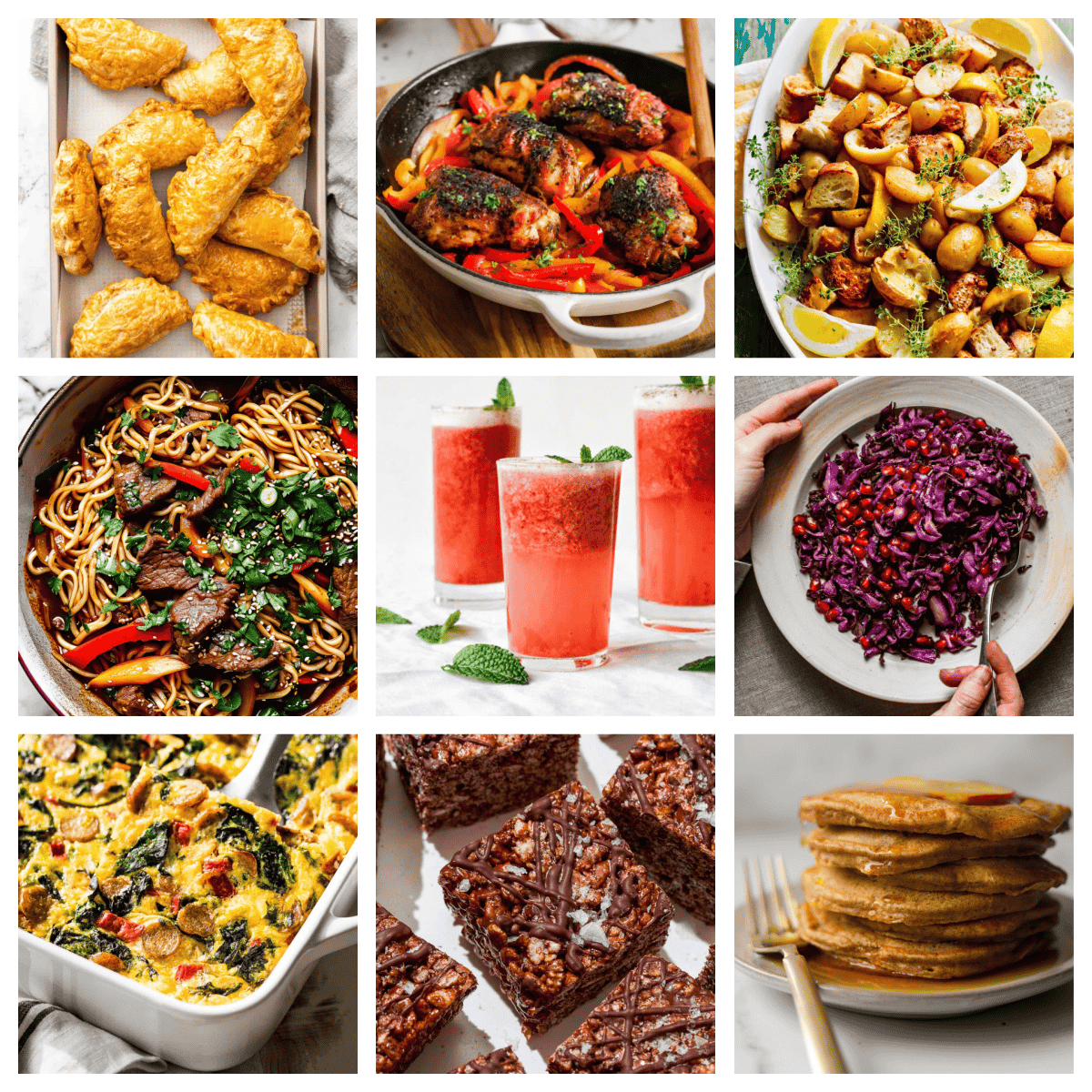
Side Dishes:Accompaniments to the main course, often vegetables or starches.
Example: Garlic Mashed Potatoes, Roasted Vegetables
Desserts:Sweet courses served at the end of a meal.
Example: Chocolate Cake, Apple Pie
Breakfast:Dishes typically served in the morning.
Example: Pancakes, Omelettes
Soups and Salads:Light dishes that can be served as starters or main courses.
Example: Tomato Soup, Caesar Salad
Tips for Using Recipes
Read Thoroughly: Always read the entire recipe before starting to ensure you understand each step and have all necessary ingredients and equipment.
Prepare Ingredients: Measure and prepare all ingredients before beginning to cook, which is known as "mise en place."
Follow Instructions: Adhere closely to the recipe, especially if you are a beginner, to achieve the best results.
Adjust to Taste: Feel free to adjust seasonings and ingredients to suit your personal taste preferences.
Use Fresh Ingredients: Fresh ingredients often result in better flavor and texture.
Practice: Cooking skills improve with practice, so don’t be discouraged by initial mistakes.
Common Cooking Techniques
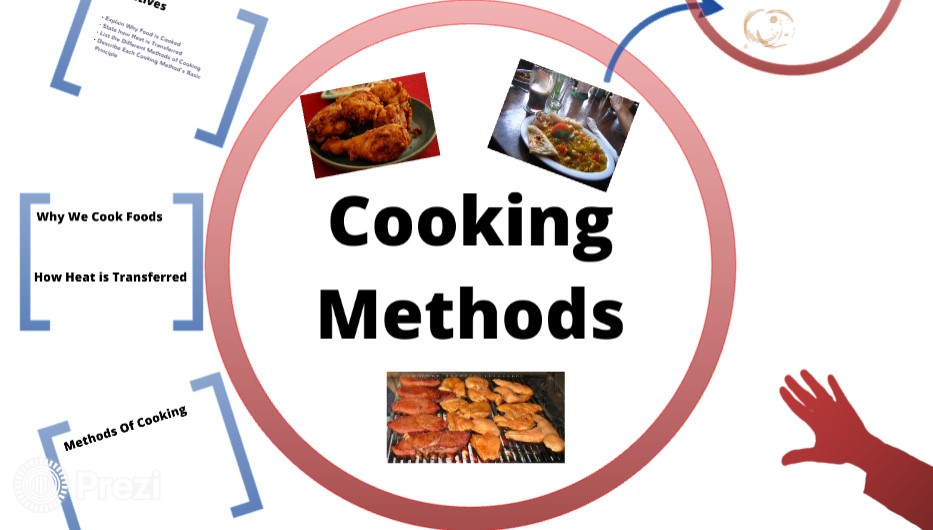
Sautéing: Cooking food quickly in a small amount of oil over medium-high heat.
Baking: Cooking food by surrounding it with dry heat in an oven.
Grilling: Cooking food on a grill over direct heat.
Boiling: Cooking food in boiling water.
Simmering: Cooking food gently in liquid at a temperature just below boiling.
Roasting: Cooking food, especially meats and vegetables, in an oven using dry heat.
Email Us for Inquiries